Category: Social Media

Small Business Advertising Success with Facebook

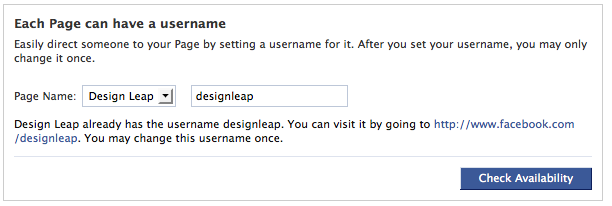
There are 500 million people using Facebook. If your small business does not have a company account or Fan Page on Facebook, you are potentially missing out on a considerable amount of revenue. Almost every genre of small business owners, from pet grooming to dry cleaning have a Facebook page to promote their business. Why is taking the time to maintain a Facebook page such a good idea? Great question!

Affordable
Your basic Facebook account is FREE. That makes the price right for small businesses. Not only is it cheap to use, it’s very simple to maintain. You can make a page that simply has a picture, contact information and status updates informing your friends and fans about upcoming specials. Stop by your Page once a week or so to add new friends, answer any messages and handle general Facebook account housekeeping. Take your Facebook account to the next level by incorporating your small business website blog for viewers to read. Update as much or as little as you like. You can allow visitors to post on your Facebook small business website, or turn off the wall function and only post information from the business’s end. You can pay to have your business show up on the side panel of Facebook. The cost varies however, but you can read more here: www.facebook.com/advertising. There is a minimum charge of $5.

Low Maintenance
As mentioned before, using Facebook as an advertising tool for your small business design is great because it takes very little time and money to maintain your page. You could realistically update it once a day or once a month. You’ll get back what you put into it. Another reason Facebook is so great to use to promote small businesses: people will find you! That’s right; you can search for friends and family to add as friends to your page, but others in your area or network will find you on their own. Your time spent on lead generating will be greatly reduced with Facebook.

Remember: Facebook is a great tool to advertise your small business website, but don’t over post. When you’re putting status updates on there more than once a day, people begin to get turned off by over-advertising and will hit the “hide feed” button associated with your content, meaning they will never see updates posted by your business page. You don’t want this, so posting often should mean just a few posts per week. Also, keep your Facebook page dedicated towards your small business, not your personal opinions. A quick way to lose your fans is to post something that has nothing to do with your business. Don’t argue politics or get into debates on your Facebook page, you’ll make yourself and your business look bad; plus you’ll never convince the other party to see your side, so don’t bother.

Use Facebook wisely to promote your small business by incorporating your website blogs, videos and upcoming events related to your business. Enjoy the fruits of this social-networking wonder and benefit from the business a well-maintained Facebook small business Page can bring.

Three Reasons To Add A Blog To Your Website

If you’ve built a well-designed website for your small business, congratulations! You’re already ahead of the competition. Good small business website design is very important, yet browsing the Internet, I often can’t help but notice how poorly designed many websites are. A clean, bold design, easy navigation and high-quality content, along with basic search engine optimization of your website’s copy and title tags, will do wonders for your website and will help you strengthen your brand and establish yourself as a reputable business.

Now to the bad news. Just a decade ago, a great website was all you needed to establish your business online and to impress prospects. But things have changed dramatically over the past few years. Having a great, well-designed website isn’t enough anymore – you now need to have an interactive, social online presence. Customers, clients and prospects expect more these days from their online experience. They have come to expect interaction – they want to interact with you online, or at least have the option to do so.

To enable prospects to interact with you, you need to be active in social media, and one of the oldest forms of social media is also one of the best – blogging. Here are the three main reasons you should add a blog to your small business website – today.

1. Strengthening your brand. A well-written blog transforms your website from static to dynamic. It creates a vibrant website that keeps getting updated with fresh content, which gives visitors a reason to come back and also gives search engines a reason to crawl your website more often (more on SEO benefits in the next paragraph). You can use a blog to provide your visitors with new info, tips and ideas; to create a buzz around your website by posting contests and giveaways; and to give your customers and prospects a place where they can interact with you through voting, polls and comments.

2. SEO benefits. A blog gives you a wonderful opportunity to enrich your website with your main keywords. This is especially important for e-commerce websites that typically have very little content. When search engines are crawling your website, trying to index it correctly, they need to have something to work with – they need text that will tell them what your website is about and what are your main keywords. While your website’s URL and title tags provide search engines with the basic info, a blog reinforces that information and, overtime, can help you to rank better for many different keywords.

3. Your competitors are doing it. Even if you’re not convinced that your website needs a blog, but your competitors are adding blogs to their websites, this should be a good enough reason to add a blog too, especially if you know that customers in your space are participating in social media and reading blogs. If your competitors seem more up-to-date than you are, if their website is more fun and interesting, prospects will not hesitate to choose them over you.

Are You LinkedIn?

Are you familiar with the popular networking site LinkedIn? It’s a networking site, similar to others like Facebook, but this one is geared towards business professionals. 75 million people around the globe are currently registered with the site. Business professionals from all over not only gather on the website to network, they also search for new careers. You can make LinkedIn a powerful tool to help you generate business for yourself.

An attribute about LinkedIn that could benefit a small business would be the referral feature. Clients who enjoyed your services or product can visit your LinkedIn page and leave positive feedback for other potential clients to see. If you have a blog, let your connections on LinkedIn know about it by importing it to your page. You can update your status just as you can on Twitter, so try widgets that allow you to add things to your profile, like your Twitter stream for instance. Cross-combine your social media for maximum results. Use LinkedIn to post information you may already have on Facebook or Twitter and so on.

Your small business design should not stop with just a website. Boost it further by taking advantage of the social networking websites that exist. On LinkedIn, you can connect with people like you as well as people who like what you do. Join groups dedicated to your type of business. Post insightful articles and answer questions on other users’ feeds. You’ll add a personal touch when you respond to potential clients’ questions, plus it helps you by adding a bit of self-promotion for the other eyes that cross it. With LinkedIn, it’s important to make sure you’re keeping up with the site. Updating at least once a week is going to keep your name visible in the feeds of your connections. However, it doesn’t have to be fresh material. As mentioned before, if your website has a blog, make sure you’re posting the blog on LinkedIn as well, to increase traffic.

Depending on what it is your small business has to offer, you can also use LinkedIn to research possible vendors or even employees. It just helps you gain more understanding of their businesses, plus you get to check their credibility, as they might for you. If you’re not already using LinkedIn, consider the benefits it can add to your small business design. You can network with other users and potentially reach a wider audience with your product. Make a profile and be sure to update often. Use a professional picture of either yourself or your company logo. Also, be sure to have any LinkedIn messages forwarded to your e-mail inbox as well. That way, if someone does contact you about your services, you’ll be that much faster to respond.

How YouTube Can Benefit Your Small Business

If you’ve never considered video marketing, you’re missing out on an entire world of opportunity. Providing videos for your customers is a great way to share information while personalizing your business at the same time. One of the difficulties of an Internet business is that you may never meet your customers in person; videos are a great way to make the personal connection that builds customer trust and loyalty. One of the easiest and best ways to use video for your small business is to take advantage of YouTube’s free services.

Why?
You can certainly host videos on your own small business website, but there are some great advantages to hosting your videos on YouTube instead. Here are a few you should consider:

  • YouTube is the world’s most popular online video community, with millions of users. The site’s features make it easy for users to search and browse by topics, view their friends’ favorite videos, and subscribe to their favorite channels–all things that can attract viewers who have never before heard of your company or your website.
  • Hosting your own videos takes up your server’s limited storage space and bandwidth. Bandwidth becomes particularly important if you have a terrific video that goes viral. If you host with YouTube, they will be responsible for dealing with the increased traffic load as people flock to see your video, so you won’t have to worry about overloading your own server.

How?
Registering with YouTube and creating your own channel is a simple process, and they have a pretty comprehensive help center if you get stuck. Making your videos doesn’t have to be complicated, either. You need a digital camera, but it doesn’t have to be professional quality–your video will most likely be viewed in a small 320×240 pixel window, so an expensive high-definition camcorder isn’t necessary. Depending on the type of videos you decide to make, your computer’s webcam may be all you need.

Once you have created and uploaded your videos, you can easily embed them in your website and link to them from all over the Internet. Great places to include them might be your social networking profiles, emails, forums, and other Internet video communities.

A few important tips:

  • Include your business name, website, and other contact info in the video itself as well as in the description.
  • Keep basic SEO principles in mind when writing your video’s title, description, and tags. Using the right keywords will help customers find you and get your video listed on related searches.
  • Be an active member of the YouTube community. In addition to posting your own videos, comment on those posted by other users and add ones you like to your favorites.
What?
There are many different types of videos, and you can try whatever approach seems to be the best fit for your business. Here are a few kinds of videos you might consider:
  • Create a video blog that you regularly update with short videos, usually under 5 minutes long. This isn’t much different than a written blog, but feels more personal and is more interesting for some website viewers. Check out my article on what blogging is for more info on why you should blog–it’s specific to written blogs, but the same principles still apply.
  • Make demos of your product or services. Customers will feel more confident in the product they’re purchasing if they can see it in action, and they’ll be able to see that you know a lot about the products or services you’re providing.
  • Offer tutorials or mini-lectures on topics related to your business. Just like with article marketing, these videos will provide your viewers with useful information or skills while also establishing you as an expert in your area. They’re a great opportunity for product placement, as well–for example, if you sell scrapbooking supplies, you can use your products in a how-to-scrapbook video.
  • Post video answers to frequently asked questions, or even respond to general customer inquiries with video messages.
  • Provide videos of customer testimonials to prove that the testimonials are authentic and show off your satisfied customers.
Enhanced by Zemanta

Social Media for Businesses: Empty Hype?

I’ve been observing my small business design clients for the past couple of years to see how they choose to use social media to promote their businesses.

My unscientific conclusion: small businesses seem to either love social media and use it as much as they can, or avoid it completely. There’s almost no middle ground, and it’s especially interesting to me that the clients who avoid social media are almost, it seems, afraid to use it.

Businesses worry about using social media for several reasons. The main reason is that they worry they will be wasting valuable time and resources on something that is no more than a hype – a passing trend that will disappear within a few years, leaving all those businesses who poured time and money into social media marketing with nothing.

Another common fear is that since social media is essentially about opening your business to your prospects and clients and having conversations with them, you would lose control of your brand and of your image if you engage in social media.

I would like to address the second issue first. I don’t think you should be afraid of social media. The conversations in social media about your brand are going to take place whether you are involved in them or not. It’s actually better to be involved, to initiate some of the conversations and certainly to follow mentions of your brand in social media (use Twitter Search) and respond to them.

As for the first question, most experts agree that while no one can say for certain that social media as it is now will be here in the same form a decade from today, the general concept of engaging customers and prospects in direct conversations is here to stay. I agree: consumers and businesses are quickly learning to expect two-way conversations with each other instead of solely relying on the traditional one-way promotional messages in print ads and in television commercials.

So, can you show clear return on your investment in social media marketing? This is where things get a bit trickier. Marketing is one area where it’s been traditionally difficult to show hard numbers, and social media marketing is no different. However, social media ROI can and should be measured.

A few ways you can measure the success of your social media marketing campaign:

1. Is your favorite social media channel (such as Twitter or Facebook) among the top ten referrers to your website?

2. When people get to your website through a social media channel, how engaged are they? Do they immediately bounce back, or do they spend a few minutes on your site?

3. What percent of your social media visitors become leads by downloading white papers or eBooks or by subscribing to your blog or to your newsletter?

4. What percentage of social media visitors become clients or customers?

Remember that whatever you do to track your social media ROI, you need to be patient. Establishing a social media account, growing it and cultivating connections with clients and prospects isn’t something you can do overnight. I would say that the typical social media account takes at least six months to start showing results, and the longer you keep at it, the better your results, provided you only follow relevant people and engage them daily.

How To Effectively Use Twitter For Business

Image representing Twitter as depicted in Crun...
Image via CrunchBase

Many small businesses have been resisting Twitter for a long time now, but the reality is that more and more of your customers are using Twitter – and so should you. A basic rule of marketing says that you need to be where your customers and prospects are. If your prospects are using Twitter, and your competitors are using Twitter, then NOT using Twitter could turn out to be a costly business mistake.

To properly use Twitter for business, you need to start by shaking the notion that Twitter is “stupid,” that you “don’t get it” and that it’s basically a huge waste of time. Twitter need not waste your time at all. In fact, most businesses spend about ten minutes per day twittering. A selective, disciplined use of social media in general and of Twitter in particular works beautifully for small businesses that can’t afford to hire someone to tweet all day for them. Ten minutes per day is all it takes to connect with prospects and to build your brand on Twitter.

Five Useful Tips for Using Twitter for Business

1. Add a personal touch. A cold corporate account is a turnoff – even if your customers are businesses too. Your tweets should include company news and info of course, but you should also have conversations – real conversations with followers. Many businesses add the name of the person who tweets for them to their bio as another great way to be more personal.

2. Use Twitter Search. One of the most important uses of Twitter for businesses is to respond to customer issues. Use Twitter Search to find out who’s mentioning your company on Twitter, and respond as necessary.

3. Don’t be too pushy. Tweets about your products are fine, but you should also tweet general industry news and links, retweet (which basically means repeat to others) what others are saying, ask and answer questions. If all your tweets are promoting your company and your products, you are not using Twitter properly.

4. Twitter is a great platform for promoting your blog posts. When you do, it’s a good idea to add a personal touch by introducing the topic, or asking a question about it, then providing a link to the blog post. Tweets that simply say “New blog post,” then give a link to the post don’t normally generate a lot of responses, because they’re not very interesting!

5. Be generous. Don’t promote just yourself. Promote others too, link to them, and be nice. There’s no need to promote direct competitors (although following them if they follow back and congratulating them on successes is good manners), but do make it a point to be generous with anyone who is not in direct competition to your business.

Above all, don’t be afraid of Twitter! Many small business owners worry about wasting entire days on Twitter and especially about the possibility of Twitter backfiring if used by customers to criticize them. But Twitter only wastes your time if you let it, and although it CAN be used to criticize your company, it can also be used by you to promptly respond to criticism, provide excellent customer service publicly, make things right for your customers and make your brand even stronger.

Reblog this post [with Zemanta]

Targeting Local Traffic

The Internet is truly a global phenomenon, allowing you to connect with customers all over the world. With a business website, you aren’t limited to local traffic the way you are with only a brick-and-mortar location. That is a huge business advantage, but it can leave you wondering how to build your local presence on such a global platform. Luckily, there are several excellent resources available to help you target local traffic.

Yelp.com is a website where customers can search for local businesses and leave reviews of their experiences, and it also offers a number of free tools for small business owners. If you haven’t already, check Yelp to see if your business is listed; if it isn’t, you can list it for free. If it is listed, claim your page to take advantage of all that Yelp.com offers small business owners: communicate with your customers by responding to their reviews, promote discounts and special events, check the amount of traffic your Yelp business page receives, recommend other businesses, and provide detailed information about your business–including your website address. With more than 26 million visitors in December 2009, Yelp.com is a great way to connect with local traffic.

Google’s Local Business Center offers small business owners the opportunity to customize their listing on Google and Google Maps, with options like adding pictures, coupons, business hours, and more. You can also see behind-the-scenes information to find out things like who’s searching for you and what search terms they’re using to find you. You can even see where driving directions requests originate, so you will know where your visitors are coming from and whether you’re targeting local traffic.

The social networking phenomenon Twitter is another way to stay connected with your local customers, and Twitter is beginning to cater to small business owners. It’s a quick and immediate way to communicate with customers, see what people are saying about your business, and build relationships with customers and other businesses. Put a Twitter badge on your website and begin following local individuals and businesses, and before you know it you’ll have followers of your own. One of the really cool things about Twitter is that your conversations with customers are publicly visible and searchable, meaning they often attract attention from other Twitterers in the same locale or with similar interests.

Facebook, which began as a social networking site exclusively for college students, has expanded dramatically and now offers great opportunities for small businesses. When you create a free business page on Facebook, anyone can become a fan of your page and suggest that others do the same. You can provide detailed information on your profile (including your website address), post business updates, make photo albums, and converse with your fans. Facebook users can search business pages by location, and many are thrilled when they can become fans of their favorite local businesses. And since their friends can see what businesses they’re fans of, your local exposure increases exponentially with every fan you acquire.

These are four great websites that offer free ways to connect with local customers. They will help you target local traffic, learn about your customers, and provide your small business with a strong local presence even on the global Internet.

Reblog this post [with Zemanta]

Make the Most of Your Small Business Advertising Dollars

Advertising can be expensive, and it can also be ineffective–as a small business owner, you want to be absolutely sure that you don’t combine those two and end up spending a lot on advertising only to see a minimal (or negative) return on investment. Luckily, the rise of the Internet has resulted in many low-cost advertising options that are perfect for small business owners.

What’s on the top of our list for the best return on investment? A professional business website. These days a website is indispensable for any small business; while potential customers once consulted the Yellow Pages to find you, the Internet is now their first–and often only–stop. Many small business owners attempt a do-it-yourself website without realizing that professionals specializing in small business design are an excellent return on investment. Think of it as the difference between a single-line listing in the phone book and a full-page, color ad. Which business is going to get noticed? The one whose website looks professional, is on the first page of search engine results, and provides useful content. Investing in a professional with expertise in small business design can help you achieve that, and will quickly pay for itself.

But don’t stop at a website–there are other ways to harness the advertising power of the Internet. Word of mouth has always been one of the most cost-effective forms of advertisement, and social networking sites are the new word of mouth. These sites are reaching more people than ever and are usually free to join. Maintaining a business profile on Facebook, Twitter, LinkedIn, and other sites is an inexpensive way to build an Internet presence and keep your customers up-to-date. You can even create your own television-style ads and post them on Youtube for free. Feature them on your website and your Facebook page and you might be the next viral video phenomenon! In addition to creating your own profile, connect with other people and businesses whose followers are likely to be interested in your product or services. Become visible to their followers by commenting on their profiles or blogs and leaving a link to your website.

Placing ads on the Internet can also be a good investment if you choose their location and style carefully. Choose which websites to advertise on by keeping your target audience in mind–just like with physical signage, you want to place your ads in locations that potential customers frequent. Finding the most effective placement is easy with sites like BuySellAds.com, which will help you find a target website or blog for your ads or offer advertising space on your own website. The best way to maximize your advertising dollars using Internet advertising is to start small and take advantage of the statistics available to you. There are a variety of tools available that will help you determine where your website traffic is coming from, which customers are buying what, and which ads are most effective. A lot of these tools are free, but staying on top of your Internet advertising statistics does require an investment of your time. However, it’s one that’s well worth it–you can learn what advertising methods work for you before you invest significant money.

Finally, advertising to your current customers is always a good idea. Connect with them via social networking sites, send them a monthly newsletter updating them about your business, and keep your website updated with fresh content, deals and information of interest to them. If you haven’t already, start building an email list for email marketing. Your customers are already interested in you and your business, so you know that you’re reaching a receptive audience. Cultivating their interest will encourage them to be repeat customers and make them more likely to recommend you to their friends.

Reblog this post [with Zemanta]

How to Make Money From Your Blog

making-money-from-blogWhen you develop your blog, you need to keep in mind the 4 basic principles of profitable website building. These are commonly known as CTPM. The letters stand for Content, Traffic, Pre-sell and Monetize. The four principles work for all aspects of your website business but let’s take a look at them in light of your Blog.

Let’s take a look at each of the words and how they apply to blogging.

Content

Your website content needs to be relevant and interesting first of all. To keep people on your site long enough to pre-sell or monetize, your website content needs to appeal to your readers, so it needs to be relevant to the topic of your website. That’s what will keep people coming back and that’s what will get people to sign up on your mailing list or your RSS feed for more information. A blog is a great way to enhance your content because you can change it regularly, especially with regard to changing search engine entries. You should be analyzing traffic to your site regularly using analytics tools, and you should be checking on reverse seach engine keywords regularly too to make sure you are keeping up with what people are typing in the search engines.

Traffic

Generating traffic is possibly the hardest part of running a website, and this is where the science turns into art. Blogging is one of the most highly recommended ways to drive traffic to your site so it’s a very handy tool if used in accordance with the four principles. But it’s not the only thing you can do. Here are some of the things you must look at, understand and master to generate traffic to your site:

  • Affiliate marketing – affiliate marketing is where you get other internet marketers to help market your business by offering them incentives or rewards. For example, if you sell a product, you can have an affiliate sell your product for you and then they get a percentage of the profit and you get a percentage. You generate the product, and they generate the sales.
  • Blog carnivals – bloggers of similar topics unite and blog on similar topics. A blog carnival has an edition, like a magazine, centered on a theme. Links to all the contributors are created in the blog. You can look for carnivals being run by others or you can create your own and get others to join in. You can create a carnival edition in your own blog and invite other bloggers to send you articles. Look for experts with great blogs that you want to associate to your blog carnival.
  • Advertising – Look into advertising revenue using things like Google Adsense and Google Adwords. Adwords is a program for people who wish to post ads based on relevant keywords. They pay Google to post the ads. Adsense is the program that picks up the keywords and looks for relevant sites to post them to. When you create your site builder template you build in placeholders for ads. Of course, you can rearrange the ads at any time, or remove them all together from your site builder template. It’s up to you.
  • Social Media – blogging is one form of social media, but there are many others. Look for ways to get your site linked to from other sites; submit articles to sites like Ezine.

Pre-sell

Preselling your customer means getting them interested in your service or product by nurturing them as customers and giving more than they bargained for in the best possible way – lots of useful information, good service and so on. Your blog should specifically help your customers and is a great pre-selling tool.

Monetizing

Simply put, this is the part where you make money. It might be from advertising dollars, or selling your service or product. Ideally it’s a combination of both.

Using the four principles is just the beginning. For a successful and profitable website you need to be dedicated and determined to reach the top of the search engines. Of all of the above, traffic is probably the most important because without traffic it doesn’t matter how good your content is and you won’t make money.

Q & A on “Designing Your Business Website” via Twitter Chat

Thank you everyone who joined me on Tuesday December 2, 2009 via Twitter #SmallBizChat discussing Designing Your Business Website.

If you’ve missed the discussion, you can download the transcript Designing Your Business Website Transcript

Read my interview with SmallBizLady at Website Design Basics for Start-up Businesses

Limited time offer Free Video Website Critique for Small Business

Find out what is #SmallBizChat

How to Participate in #Smallbizchat

Follow me on Twitter @DesignLeap